Doors & Windows
Repair or replace?
New doors and replacement windows installed cleanly and finished to match your existing trim and hardware, so everything looks like it was always meant to be there.
What's included
- Interior and exterior door installation
- Replacement window installation
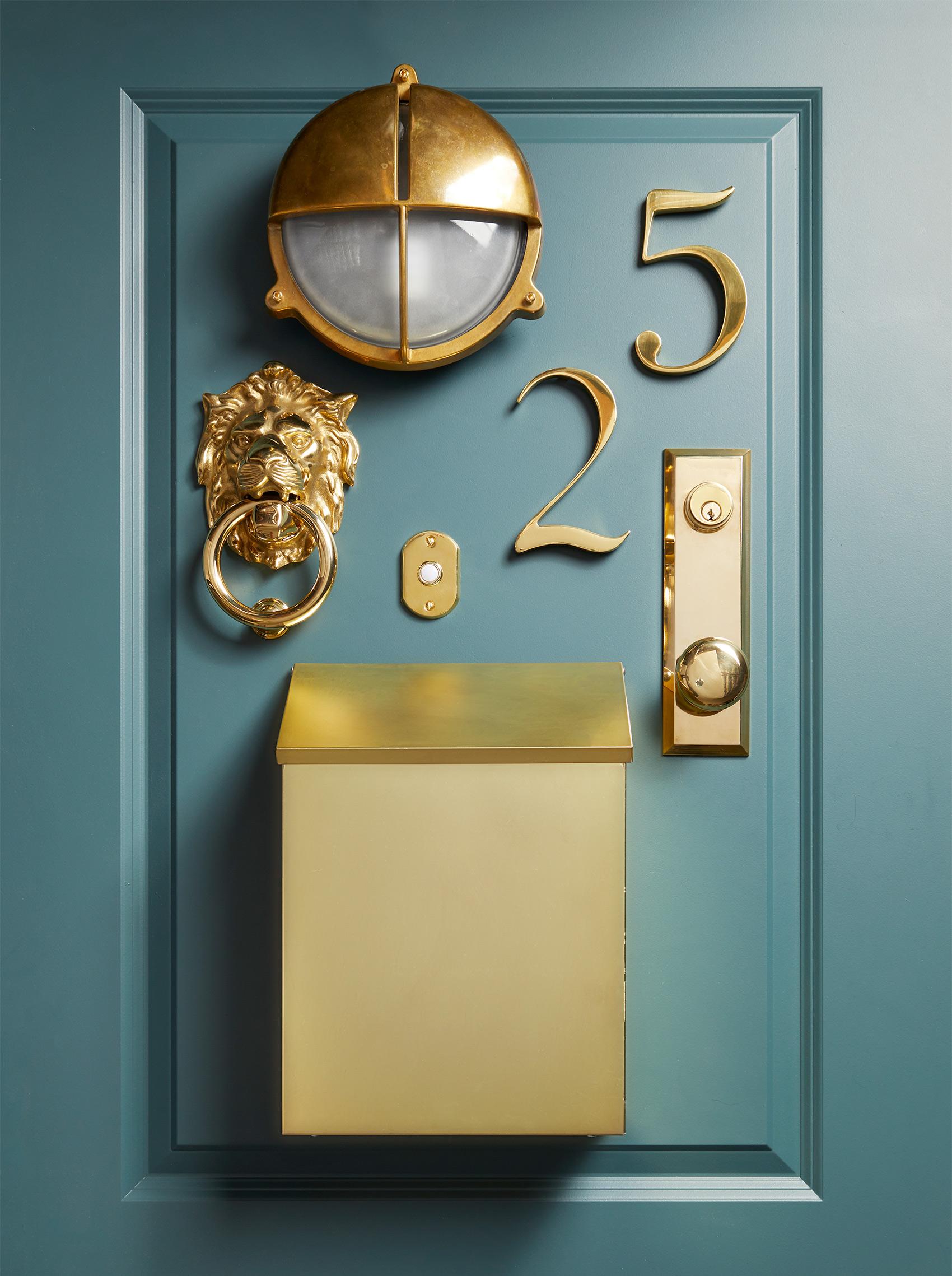
- Door hardware and lockset upgrades
- Weatherstripping and threshold replacement
- Trim and casing to match existing millwork
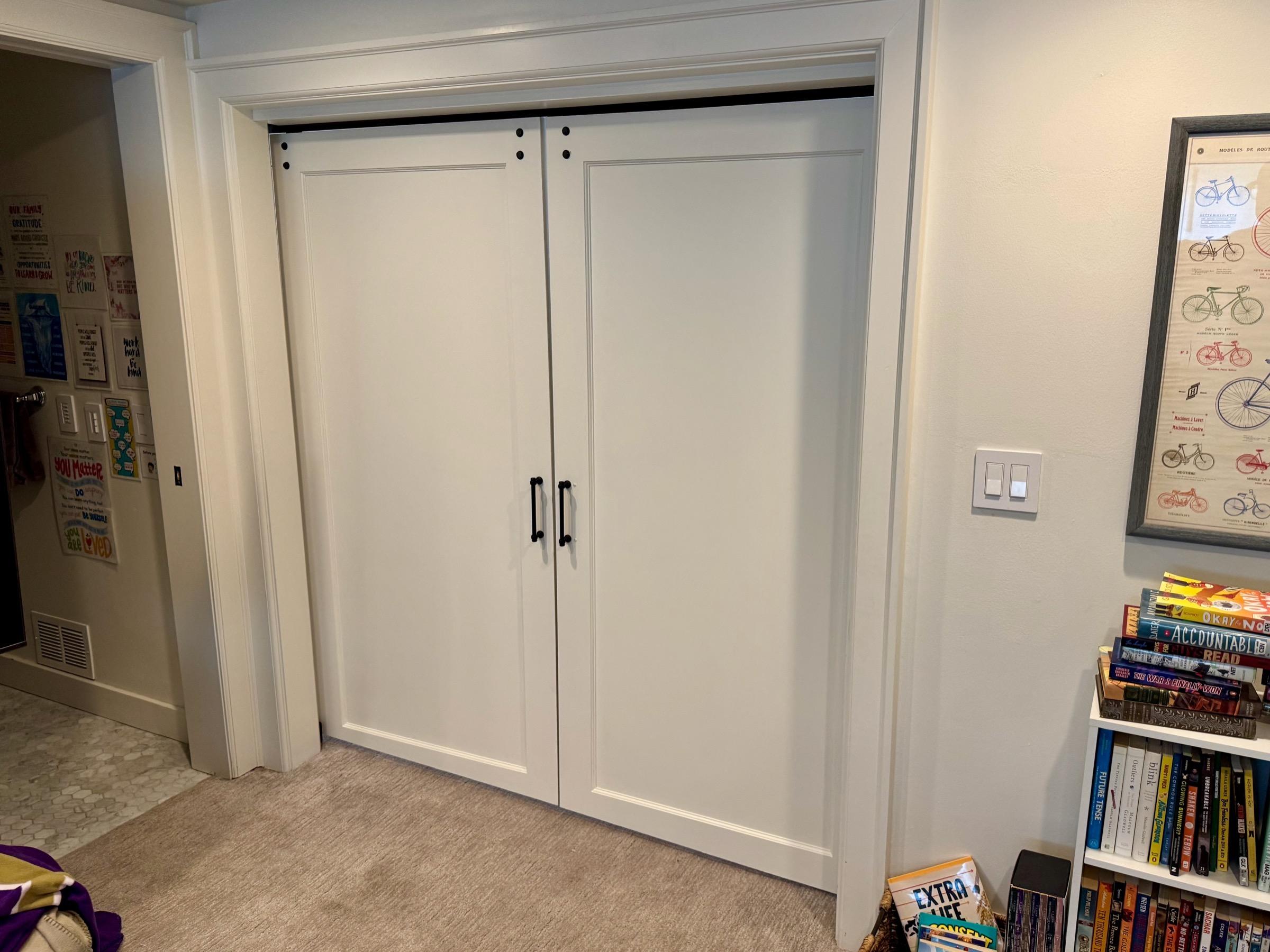
- Sliding and barn door installation
The first question about a sticking door or a drafty window is whether to fix it or replace it. Many Seattle homeowners have already heard "replace" from someone who sells replacements. Sometimes that's the right answer. Often it isn't. A 1920s five-panel fir door that binds every winter is usually a better door than anything you can buy today. It just needs its frame brought back to square and its edges sealed. Other times the honest answer is that the door or window has failed, and patching it only spends money twice.
I do both repair and replacement, so I don't have a reason to push you either way.
Quick answer: Crest & Level installs and repairs interior and exterior doors, replacement windows, locksets and door hardware, weatherstripping and thresholds, and sliding and barn doors for Seattle homes. Exterior openings are flashed with a sill pan and shingle-lapped tape for wind-driven rain, replacement windows meet Seattle's energy code, and new casings are matched to your existing trim.
Repair or replace: what the symptoms usually mean
| What you notice | What it usually is | Usually the fix |
|---|---|---|
| Door sticks in winter, is fine in summer | Unsealed top and bottom edges taking on moisture, or a frame that's racked | Repair: square the jamb, reset hinges, seal all six faces |
| Door won't latch; the gap is wider at the top | Hinge screws stripped into old, soft jamb wood | Repair: long screws into the framing behind the jamb |
| Daylight under an exterior door | Worn sweep or threshold, or a sill that has settled | Repair: new sweep, threshold and weatherstripping |
| Soft or dark wood at the bottom of an exterior jamb | Water getting in at the sill with no pan beneath it | Repair or replace: depends how far the rot goes |
| Fog between the panes of a double-pane window | Failed insulated-glass seal | Replace the glass unit if the frame is sound |
| Wood window sash that rattles or won't stay up | Worn parting beads, broken sash cords or failed balances | Repair: often worth restoring, especially original wood windows |
| Rot through the window sill and lower sash | Years of standing water on the sill | Replace the window, or rebuild the sill and sash |
When I look at a door or window, I look at the opening around it too. A new unit installed in a rotted or out-of-square opening inherits the same problem.
How water gets in, and the order that keeps it out
Seattle rain doesn't just fall; it blows sideways off the Sound and the lakes, especially on south- and west-facing walls. Exterior doors and windows fail where that water is allowed to sit. Every exterior opening I install follows the same sequence:
- Sill pan first. A formed or flexible-flashing pan under the door or window, turned up at the back and ends. Water that gets past the unit, and over enough years some will, drains back outside instead of into the subfloor.
- Flashing tape lapped like shingles. Sides go on over the sill flashing, and the head goes on over the sides, so every layer sheds onto the one below it. Tape applied in the wrong order channels water inward.
- Head flashing above the trim on exposed walls, so water running down the siding is kicked out past the top casing.
- Low-expansion foam and backer rod, never stuffed fiberglass. Air sealing the gap around the unit matters as much as the unit itself. Fiberglass stuffed in a gap stops neither air nor water.
- All six faces of wood sealed. Door bottoms, door tops and the cut ends of trim get finished before installation, not after.
Doors and windows on the weather side of the house are where I most often find rot that started with step 1 or 2 skipped years ago. Neighborhood pages for Queen Anne and Wallingford go deeper into how that plays out on hillside houses and bungalow porches.
Three code checkpoints worth knowing
- Energy code for replacement windows. Replacement windows in Seattle have to meet the energy code's U-factor limit, which caps how much heat a window can lose. I check the NFRC label on a window before it's ordered, not after it arrives.
- Bedroom egress. A bedroom window has to be large enough, and low enough, to climb out of in a fire. When an old bedroom window is replaced, the new one shouldn't be smaller than the code-required opening. In finished basements, this is often where an "updated" bedroom quietly fails.
- Safety glass. Glass in and beside doors, near tubs and showers, and in some low or large panes must be tempered or laminated. If a replacement goes into one of those locations, it gets safety glazing even if the original didn't have it.
Doors: entry, interior, sliding and barn
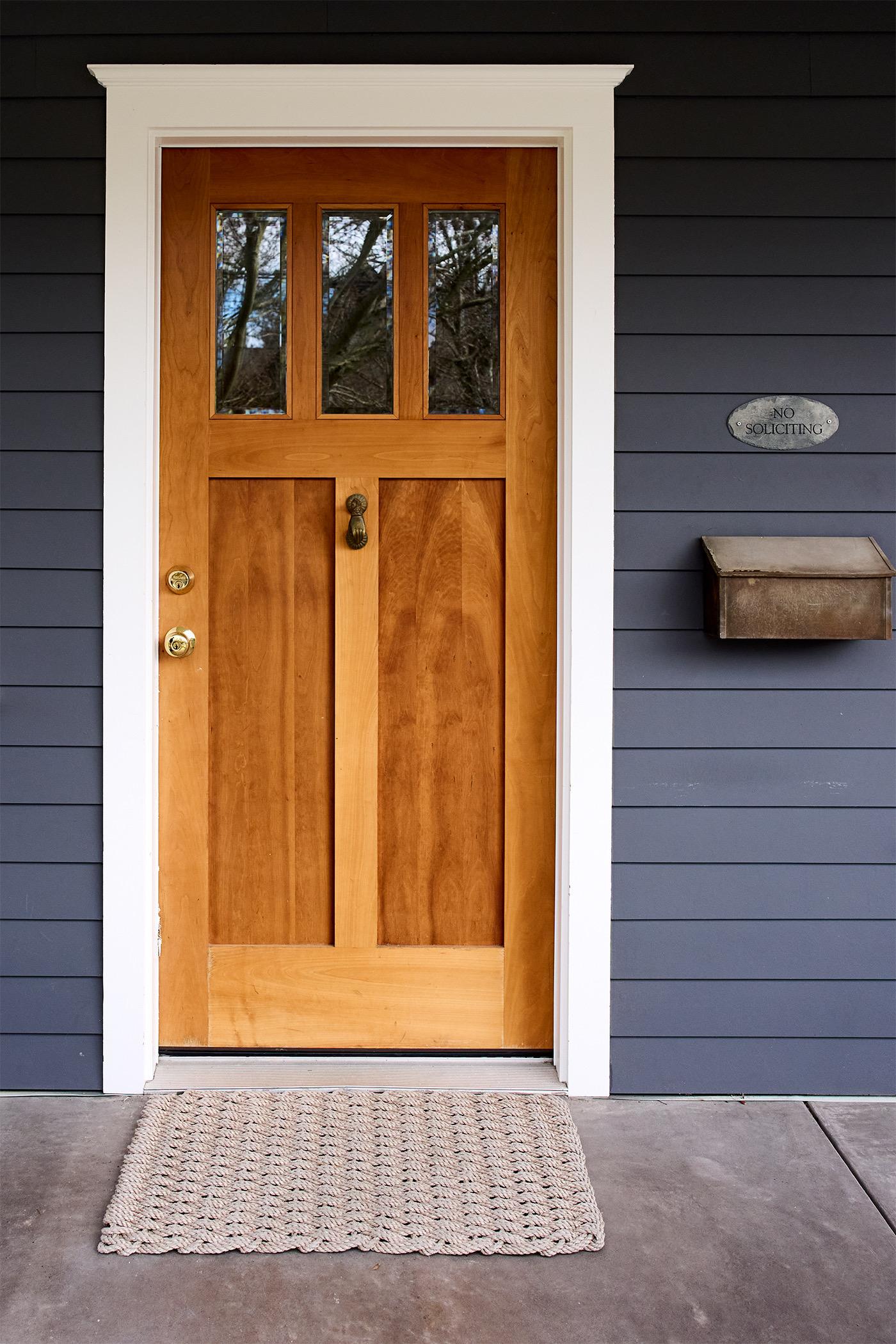
Entry doors carry the most weight in every sense: security, weather and first impressions. A new entry door is usually a pre-hung unit set on a sill pan, shimmed solid at the hinges and strike, and fastened through the jamb into framing so the deadbolt strike can't be kicked through the trim. Hardware comes next: deadbolts, entry sets and smart locks are covered on the Home Technology & Security page.
Interior doors in older Seattle houses are often solid fir or five-panel doors hung in jambs that have moved. If you're replacing a hollow-core door from a 1970s update, a solid-core or period-appropriate door changes how the whole hallway feels. That includes the sound and weight when it closes.
Sliding and barn doors solve tight clearances but need planning. A barn door track needs solid blocking across the whole length of the header, not just one or two studs, and the door needs to overlap the opening enough to give real privacy. Pocket doors in old walls usually mean opening the wall, so we talk through that before anything is cut.
Trim to match. New casings are milled or sourced to match your existing profiles. More on how I match old trim is on the Cabinetry and Finish Carpentry page.
Where doors, windows and hardware come from
- Dunn Lumber – Lake Union: showrooms for Marvin and Milgard windows and doors, plus finish lumber for jambs and casings.
- O.B. Williams, SODO: custom wood windows and doors when a stock size or style won't work in an older house.
- Earthwise Architectural Salvage: period doors and original hardware for restorations.
- Fisheries Supply: marine-grade stainless fasteners and sealants for exterior thresholds and trim.
- Five Corners Hardware and Tweedy & Popp: hinges, strike plates, sweeps and weatherstripping the same day.
When it's bigger than us
Enlarging a window or door opening in a bearing wall, adding a new opening, or replacing a header is structural work that needs a permit and often an engineer. If your project is heading that way, I'll tell you early and point you to people I trust, rather than stretching a door-and-window scope over it.
What to expect
- First visit: I walk the house with you, look at the specific problem and what's around it, and tell you plainly what I'd do and what I wouldn't.
- Estimate: A written, itemized scope, including what's likely to change once a wall or floor is opened. Why I don't rely on fixed bids.
- Scheduling: I will provide an accurate plan for scheduling and completing the work.
- Cleanup: Dust containment as needed with your house left clean every day.
Door and window questions I hear most
Should I repair or replace my old wood windows? If the frames and sills are sound, original wood windows can often be restored with new sash cords, parting beads, weatherstripping and glazing. Replacement makes sense when the sill or frame has rotted through, or when the windows can't meet egress or safety-glass requirements.
Why is there daylight under my front door? Usually a worn door sweep, a worn threshold, or a sill that has settled. All three can be fixed without replacing the door. If the bottom of the jamb is soft, water has been getting in at the sill and that needs repair first.
Do replacement windows in Seattle have to meet the energy code? Yes. Replacement windows need to meet the energy code's U-factor limit for heat loss. Check the NFRC label before ordering, and make sure bedroom windows still meet egress size requirements.
Can a barn door go on any wall? Most walls, yes, but the track needs solid blocking across the full length of the header, and the wall beside the opening needs to be clear for the door to slide. Outlets, switches and trim in the slide path have to be planned around.
Related reading
- How much does door replacement cost in Seattle?
- How much does window replacement cost in Seattle, and what affects it?
- How do I hire a window or door contractor in Seattle?
- How do I widen doorways for wheelchair access?
- Aging in Place Modifications for lever hardware and low thresholds
Let's look at it together
Call or text (564) 444-8388 and tell me which door or window is giving you trouble, or schedule a visit.