Kitchen & Bath Updates
Start with the water.
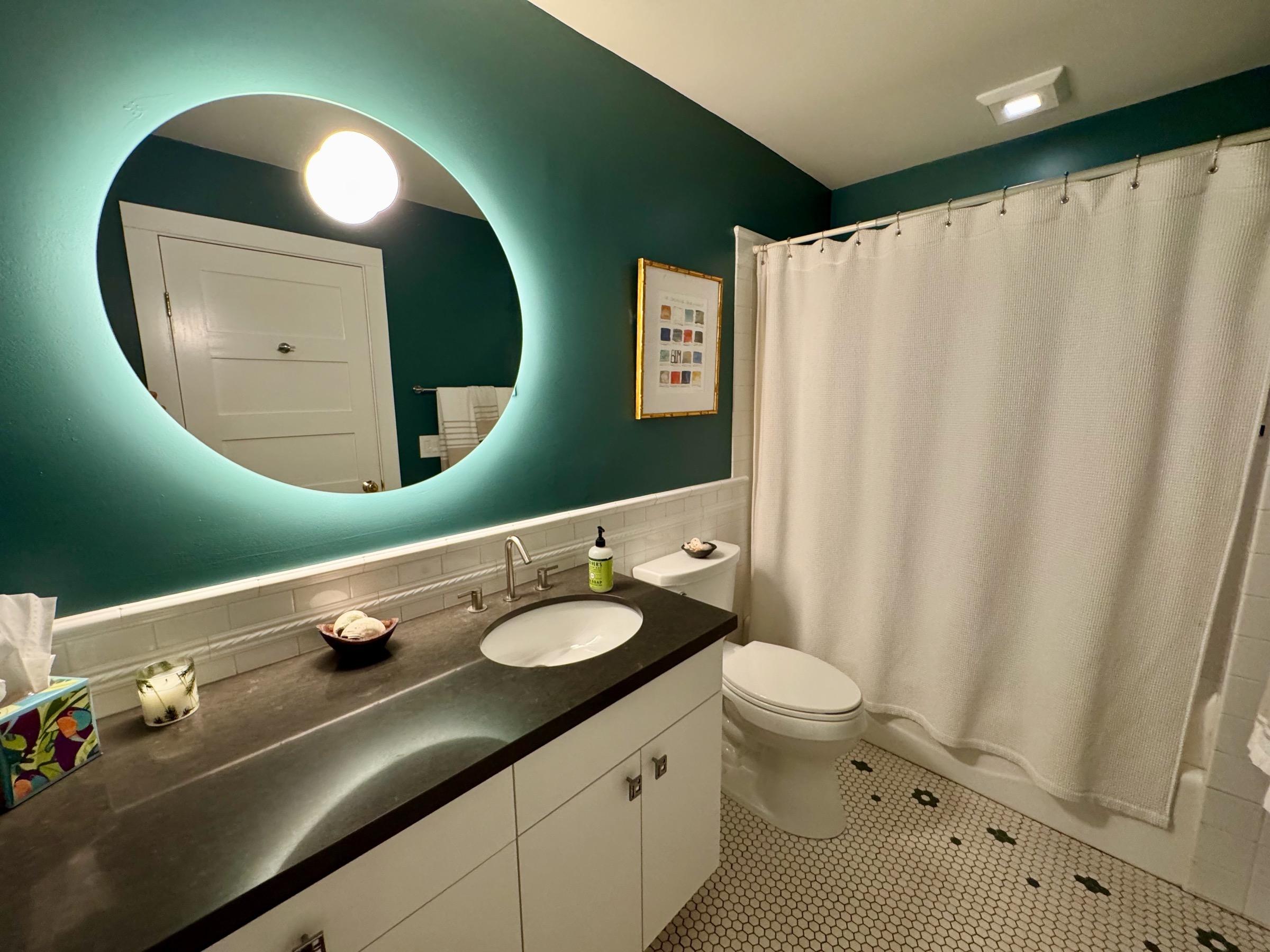
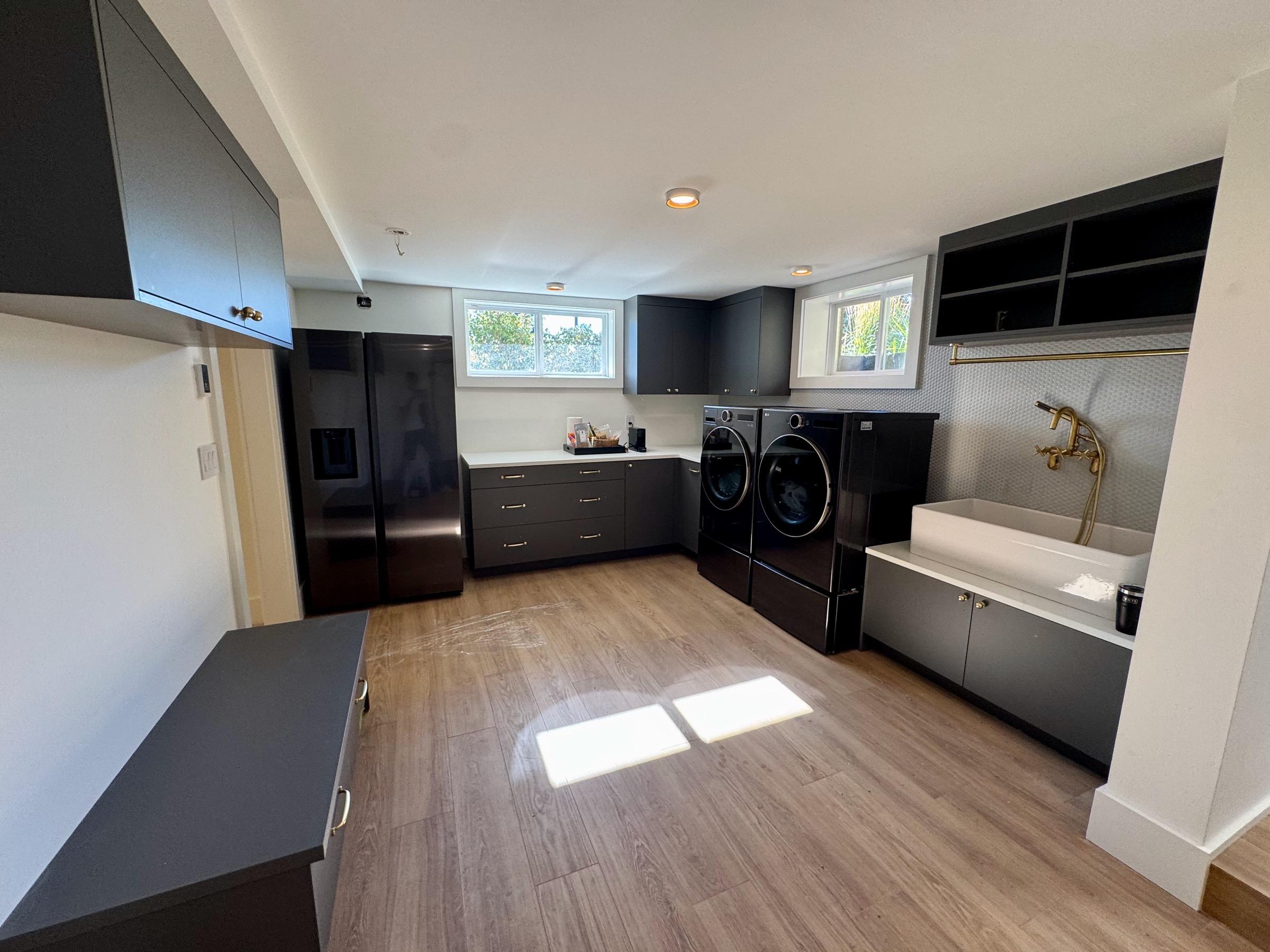
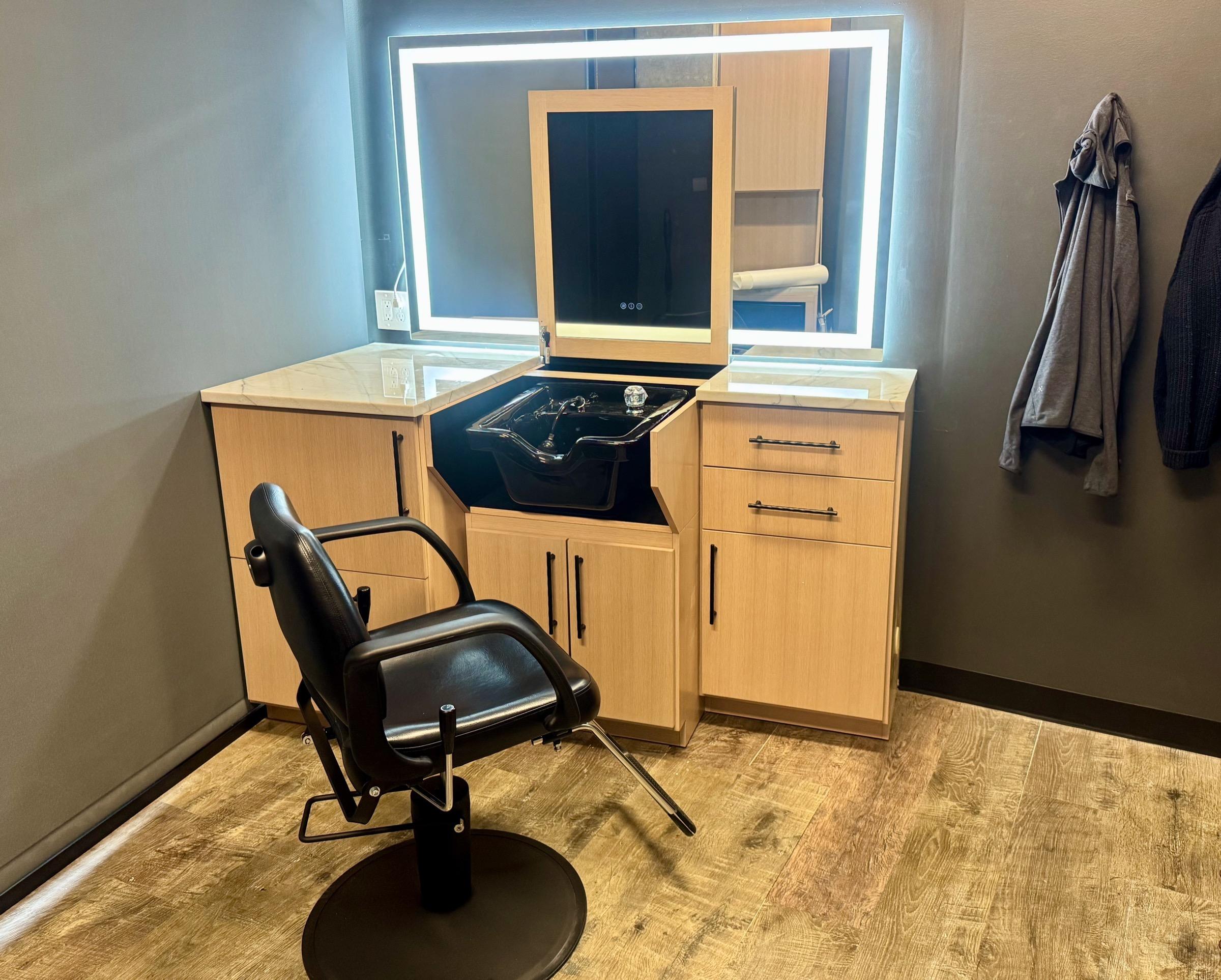
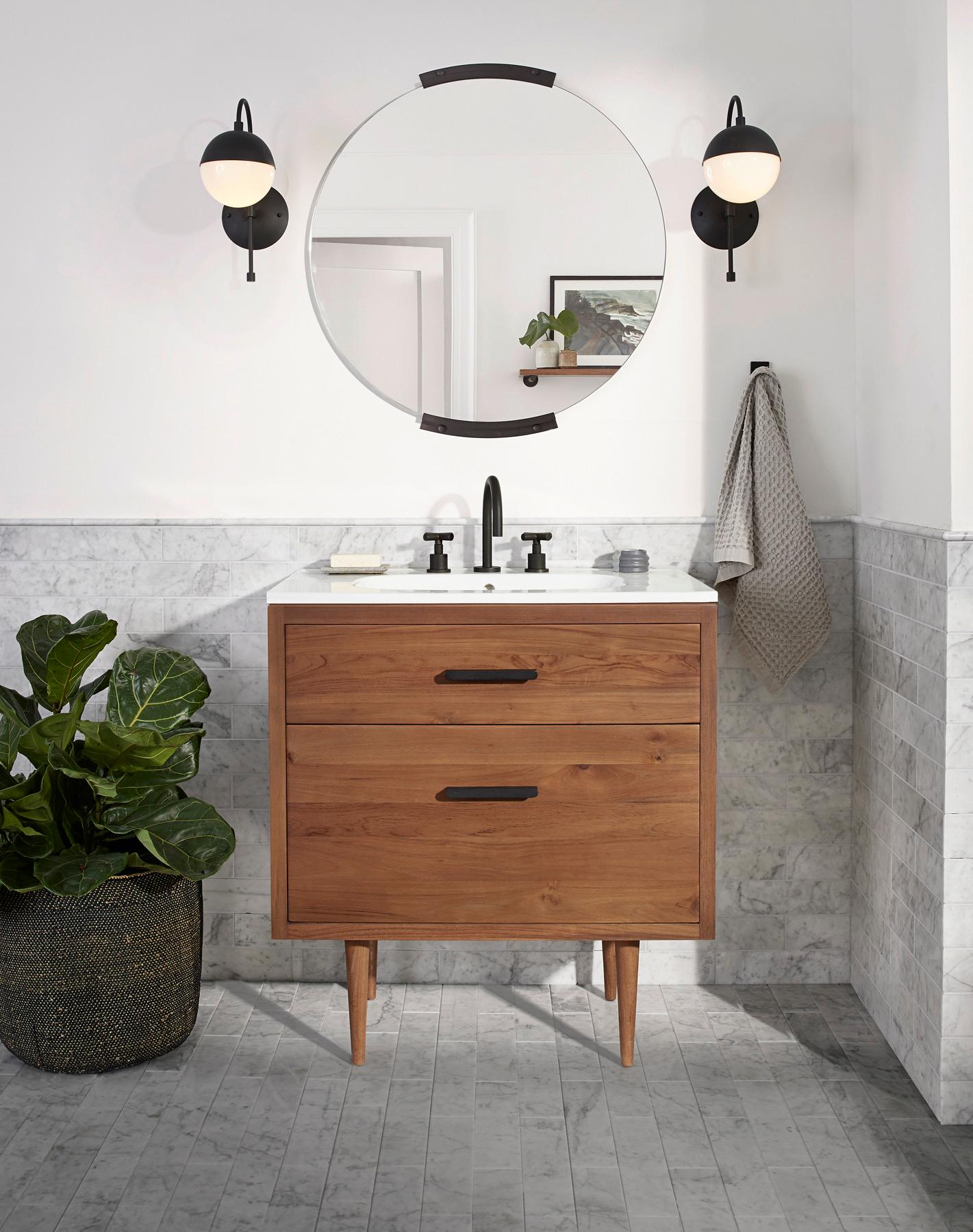
We handle the upgrades that make your kitchen and bath feel new again — cabinet hardware, pullouts, light fixtures, mirrors, toilets, and tile repair and installation.
What's included
- Cabinet hardware replacement and soft-close upgrades
- Pullout shelves and drawer organizers
- Light fixture and mirror swaps
- Toilet replacement and installation
- Tile repair, re-grouting, and new tile installation
- Faucet and sink upgrades
Most kitchen and bathroom problems I'm called about in Seattle turn out to be water problems. The grout keeps cracking in the same corner. The floor in front of the vanity feels a little soft. There's a stain on the ceiling one floor down that nobody can explain, or the sink base smells like a basement. Each complaint looks cosmetic, but the cause is usually water that got somewhere it shouldn't and has no way to dry out. In a city where it rains most of eight months a year, that's normal for a house.
So I work on kitchens and baths from the water out. Before I price new tile or a new faucet, I want to know where water goes once it gets past the surface, because sooner or later it will.
Quick answer: Crest & Level handles kitchen and bath updates in Seattle homes: tile installation and repair, re-grouting and re-caulking, toilet, faucet and sink replacement, light fixtures and mirrors, cabinet hardware, soft-close conversions and pullout organizers. Shower and floor tile goes over a continuous waterproofing membrane, bath fans are ducted outdoors, and fixtures and tile come from Seattle-area suppliers like Keller Supply's Kitchen & Bath Showcase in Interbay and Statements Tile in Tukwila.
From the studs out: five layers that decide whether it lasts
A tiled bathroom is a stack of layers, and the finish you pick matters least for how long it lasts. Here's the stack in the order I check it.
1. The floor under the floor
Tile is rigid, and wood-framed houses flex. The Tile Council of North America's guidelines say a floor under ceramic or porcelain tile shouldn't deflect more than 1/360 of its span under load, and stone needs twice that stiffness (1/720). Plenty of older Seattle bathroom floors don't come close, especially undersized joists in Craftsman-era houses that have also been notched for a drain line or two. If floor tile keeps cracking along the same line, regrouting won't fix it, because the cause is underneath. Sometimes the right first step is adding blocking or sistering a joist from the basement or crawlspace. The Ballard page covers why this comes up so often in mill-era cottages.
2. The waterproofing
Grout and tile aren't what keeps a shower dry. Grout is porous and lets some water through by design. The waterproof layer is the membrane behind the tile, either a bonded sheet or a liquid-applied membrane rated to the ANSI A118.10 standard. It has to run unbroken from the drain flange up the walls, wrap the niche, seal around the valve and shower-head penetrations, and lap every seam.
The most common mistake I open up is a second barrier: plastic sheeting stapled to the studs behind a membrane that's already waterproof. A wall cavity with an impermeable layer on both sides can't dry, and in our climate that becomes a mold problem over time. One waterproof layer, in the right place, is the rule.
3. Movement joints
Every place tile changes plane needs a flexible sealant, not grout: wall to tub, wall to wall in an inside corner, floor to wall. TCNA calls these movement joints. A cracked grout line in a shower corner that comes back after every touch-up is almost always a corner that was grouted when it should have been caulked. I cut the grout out and fill the joint with a color-matched sealant made for the purpose.
4. The air
A bath fan should be ducted all the way outdoors. It shouldn't stop in the attic or in a soffit that blows the moisture straight back into the eaves. The duct needs insulation where it runs through a cold attic, or it will condense and drip back into the fan housing all winter. A fan only works if people actually run it, so I put it on a timer or humidity switch that keeps it going after the shower is off. A lot of older upstairs bathrooms in Seattle were never given a fan at all, and their ceilings show it.
5. The finish
Tile, grout color, faucet, light fixture, hardware: the part everyone wants to talk about first. Once the four layers under it are sound, the finish is the easy part to get right, and you can choose it for looks instead of worrying about how long it will hold up.
Smaller jobs, done like they matter
Not every kitchen or bath job is a gut remodel. Most of my work here is smaller, and small jobs have their own traps.
- Re-grouting and re-caulking. Old grout gets ground out to an even depth before new grout goes in. Smearing a skim coat over the top doesn't last. Before I regrout a shower, I tap every tile. A hollow sound means the tile has let go of the wall behind it, and that shower needs more than grout.
- Toilets. A toilet that rocks has usually been rocking for a while, and the wax seal has probably been weeping into the subfloor the whole time. I check the flange height and the floor around it, repair what's soft, and set the new toilet on a flange that's screwed down to something solid.
- Faucets and sinks. Sink bases in older kitchens are often particleboard that has swollen from years of small, quiet leaks. If the cabinet floor is soft, I replace it with plywood before the new faucet goes in, so the next drip shows up on a dry surface instead of hiding in wet board.
- Cabinet hardware and soft-close conversions. Many older Seattle kitchens have site-built face-frame cabinets that were never bored for European cup hinges. Converting them to soft-close means boring the doors or using hinges made for face frames. It's detail work, and it makes a 1950s kitchen feel noticeably newer every time you close a door.
- Pullouts and organizers. Pullout shelves have to clear the face frame, the hinge side and the door itself. I measure all three before ordering anything, because a pullout that hits the hinge is a common return.
- Mirrors, medicine cabinets and light fixtures. Heavy mirrors and recessed cabinets get anchored into framing or added blocking, not plaster or drywall alone. More on lights, fans and hardware is on the fixture installation page.
Who permits what in Seattle
Kitchens and baths are where Seattle's permitting splits, and it catches people off guard.
- Plumbing permits come from Public Health – Seattle & King County, not SDCI. Seattle and King County codes require a permit whenever a plumbing or gas piping system is installed, relocated or changed. Moving a drain, adding a fixture or rerouting supply lines falls on the permit side of that line.
- Electrical permits come from SDCI. New circuits and changes to wiring go through the City's electrical permit process.
- Building permits also come from SDCI. Removing or altering a wall, especially a bearing wall for a more open kitchen, starts with an SDCI building permit and usually an engineer.
- Condos add a layer. Many condo associations require board approval for flooring, plumbing and anything touching a shared wall, sometimes with specific sound-rated underlayment. Check your HOA rules before we order materials.
At the first visit, I'll tell you which side of these lines your project falls on.
When it's bigger than us
Relocating a toilet or shower, adding circuits, or opening a bearing wall for an open kitchen is work for licensed plumbers and electricians, and sometimes a general contractor and engineer. If your project is heading that way, I'll tell you early and point you to people I trust. I won't stretch a small-job scope over work that needs other trades.
Where your fixtures and tile come from
I'd rather you see and handle a faucet or a tile before it's installed in your house, so I send clients to showrooms where that's possible. Keller Supply has been a Seattle plumbing wholesaler since 1945. Its Kitchen & Bath Showcase at 3209 17th Ave W in Interbay is the easiest place in the city to try a faucet's handle or compare toilet profiles side by side. For tile, Statements Tile on West Valley Highway in Tukwila has one of the larger tile showrooms in the region and is worth the drive when you want to see samples at full scale. Backer board, plywood for subfloor repairs, and fasteners come from Dunn Lumber. When I need something the same day on Queen Anne, a supply line, a flange repair ring or a tube of sealant, I go to Five Corners Hardware.
Making it work for the long haul
Kitchens and bathrooms are where most falls at home happen, and the easiest time to plan for that is while a wall is already open. I add blocking for future grab bars during tile work even when nobody has asked for bars yet. It costs very little with the wall open and saves opening it again later. If you're thinking about how your home will work in ten or twenty years, an aging in place assessment walks through the whole house and gives you a prioritized plan. For specifics, see how to make a bathroom safer for elderly parents, how to make a kitchen safer, and what a walk-in shower conversion involves.
What to expect
- First visit: I walk the house with you, look at the specific problem and what's around it, and tell you plainly what I'd do and what I wouldn't.
- Estimate: A written, itemized scope, including what's likely to change once a wall or floor is opened. Why I don't rely on fixed bids.
- Scheduling: I will provide an accurate plan for scheduling and completing the work.
- Cleanup: Dust containment as needed with your house left clean every day.
Kitchen and bath questions I hear most
Why does the grout in my shower corner keep cracking? Inside corners and the joint where tile meets the tub move a little with every temperature and moisture change. Grout is rigid, so it cracks there. Those joints should be filled with a flexible sealant instead. Cutting out the grout and sealing the joint usually ends the cycle.
Can you re-grout my shower instead of retiling it? Often, yes, if the tiles are solidly bonded and the wall behind them is dry. I tap-test every tile first. Hollow-sounding tiles or soft spots mean the waterproofing behind them has failed, and new grout would only hide the problem for a while.
Who issues plumbing permits in Seattle? Public Health – Seattle & King County, not SDCI. A permit is required whenever a plumbing system is installed, relocated or changed, such as moving a drain or adding a fixture. Electrical and building permits come from SDCI.
Can soft-close hinges be added to older kitchen cabinets? Usually. Older face-frame cabinets weren't built for European cup hinges, so the conversion means boring the doors or using hinges designed for face frames. It's one of the most noticeable small upgrades in an older kitchen.
Related reading
- Cabinetry and finish carpentry for built-ins, trim and cabinet repair
- Interior painting for kitchen and bath walls, ceilings and cabinets
- Which pre-listing repairs increase home value in Seattle?
- How do I choose a contractor for aging in place bathroom work?
- Bathrooms and moisture on Queen Anne
Let's look at it together
Call or text (564) 444-8388 and tell me what's going on in your kitchen or bath, or schedule a visit.