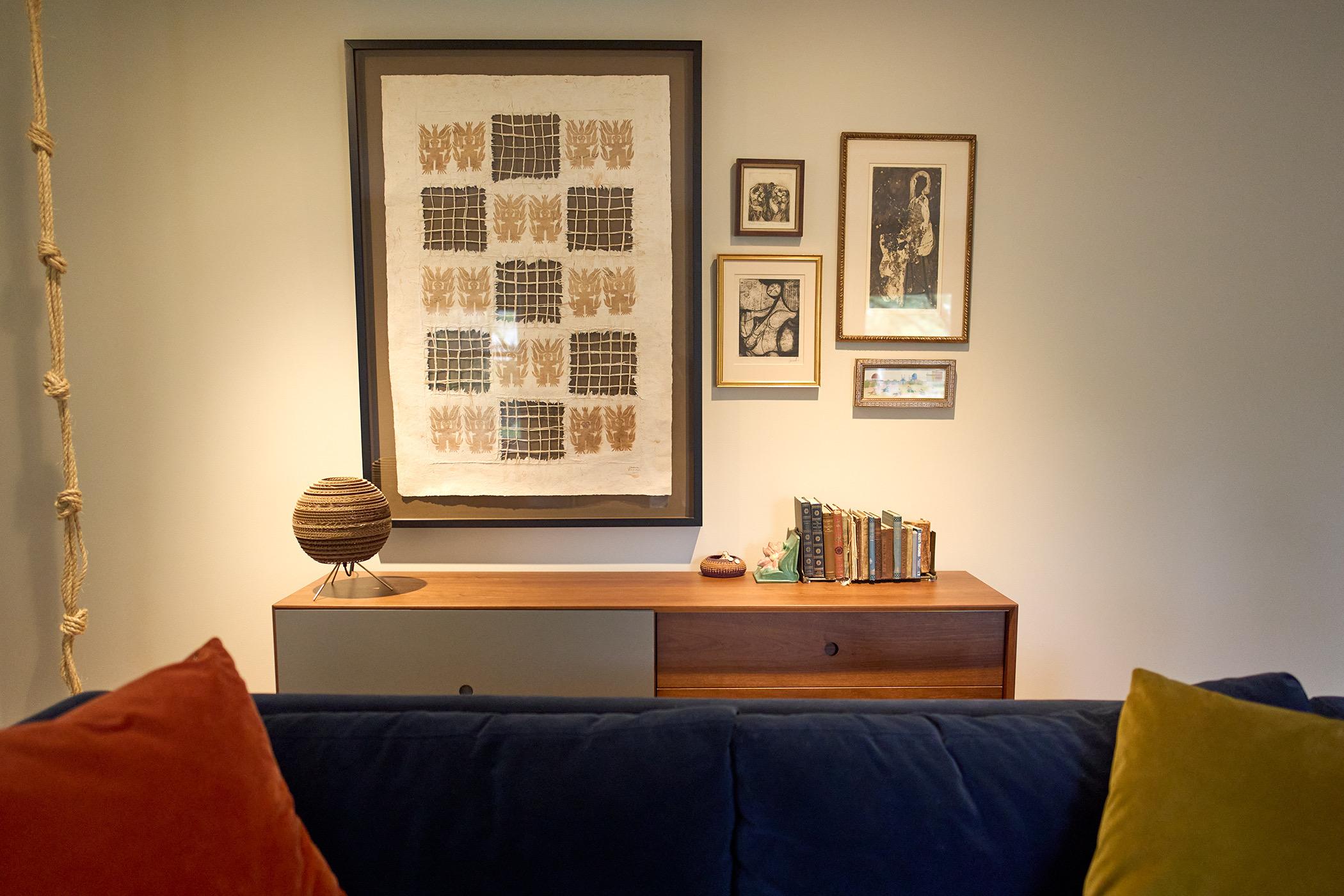
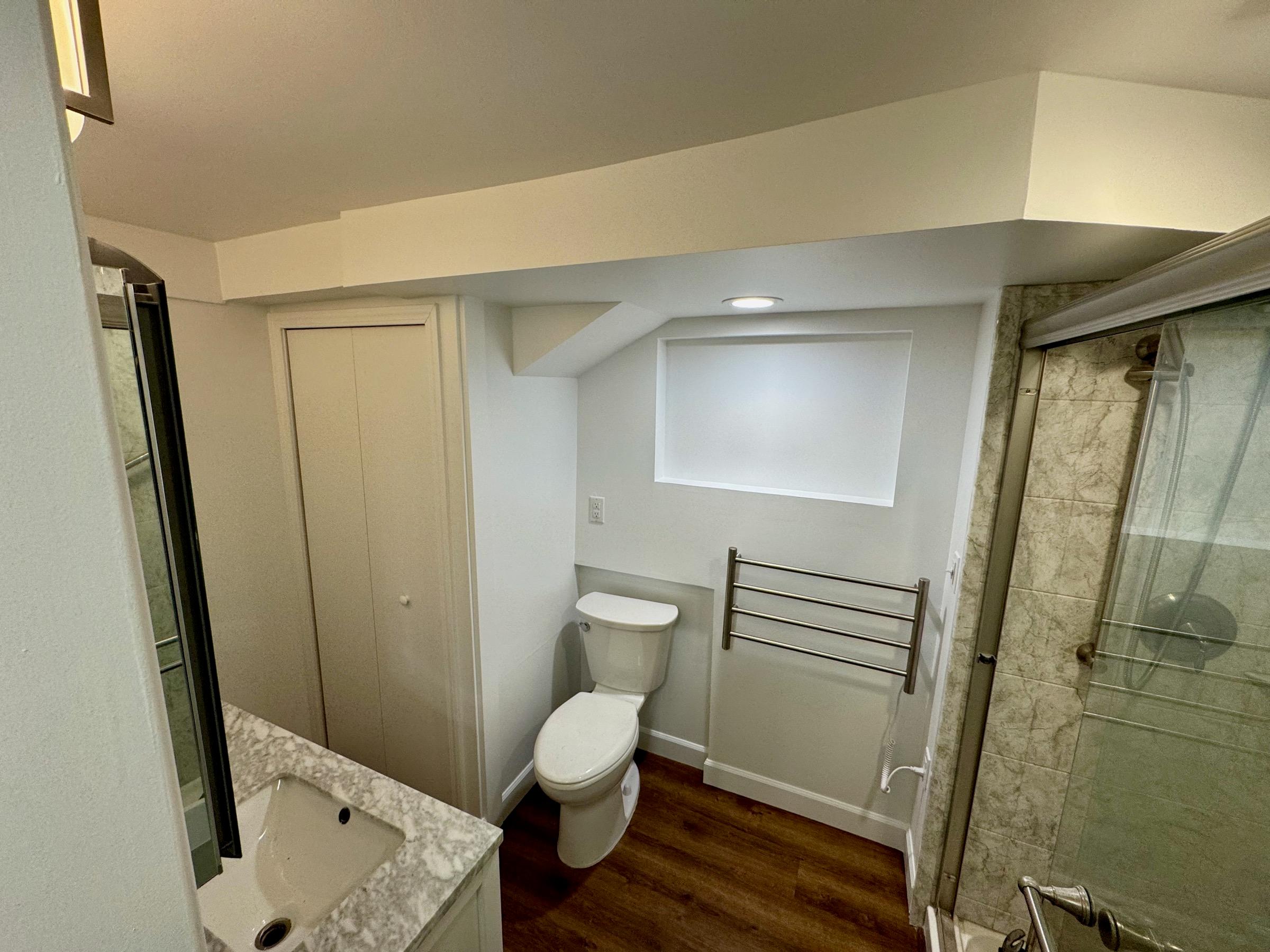
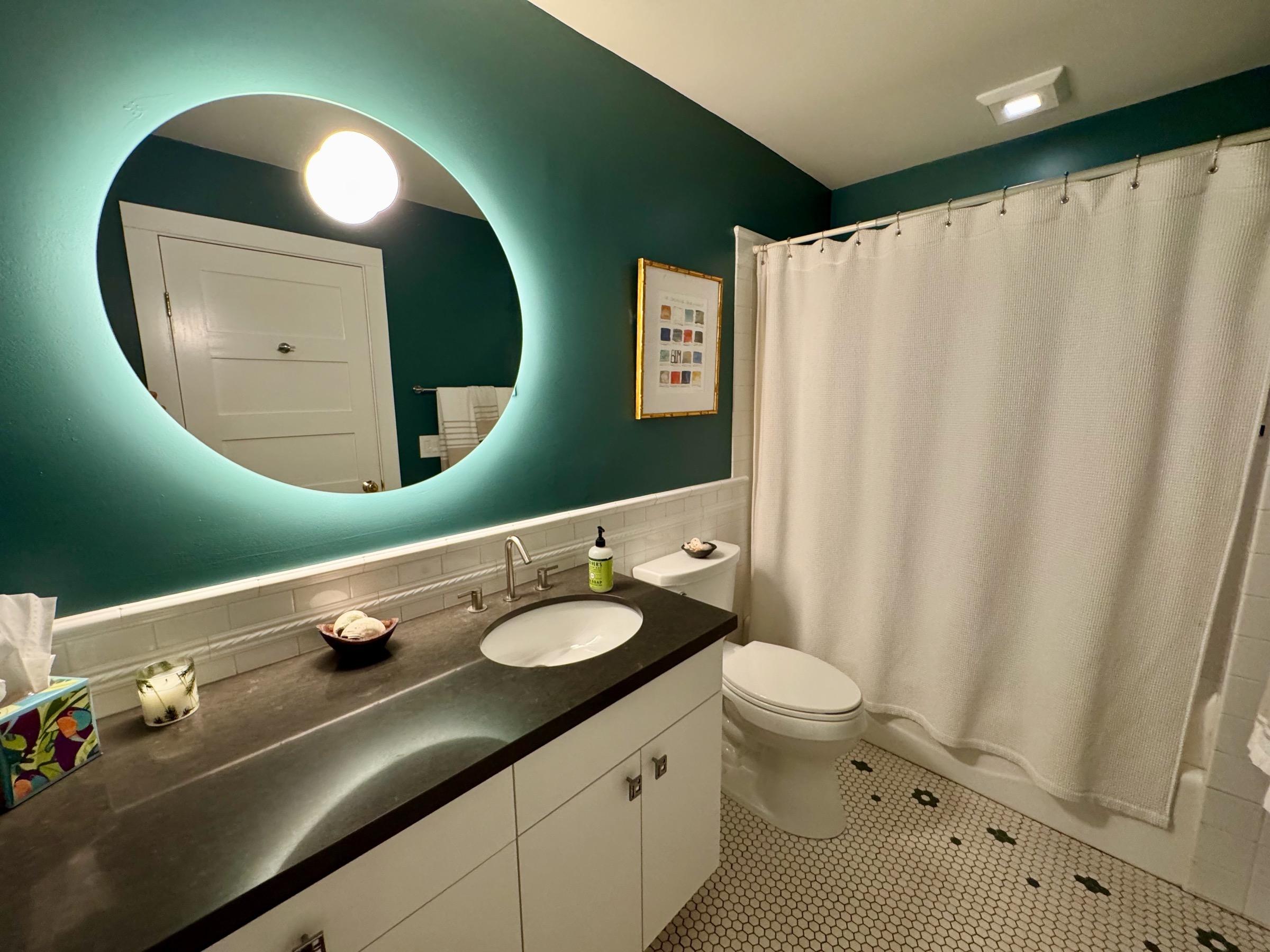
Painting
Most of the work happens before the paint.
Precision roll, brush, or spray painting for walls, ceilings, trim, and cabinets with a clean and lasting finish.
What's included
- Interior wall and ceiling painting
- Trim, baseboard, and door painting
- Cabinet painting and refinishing
- Proper surface prep, patching, and priming
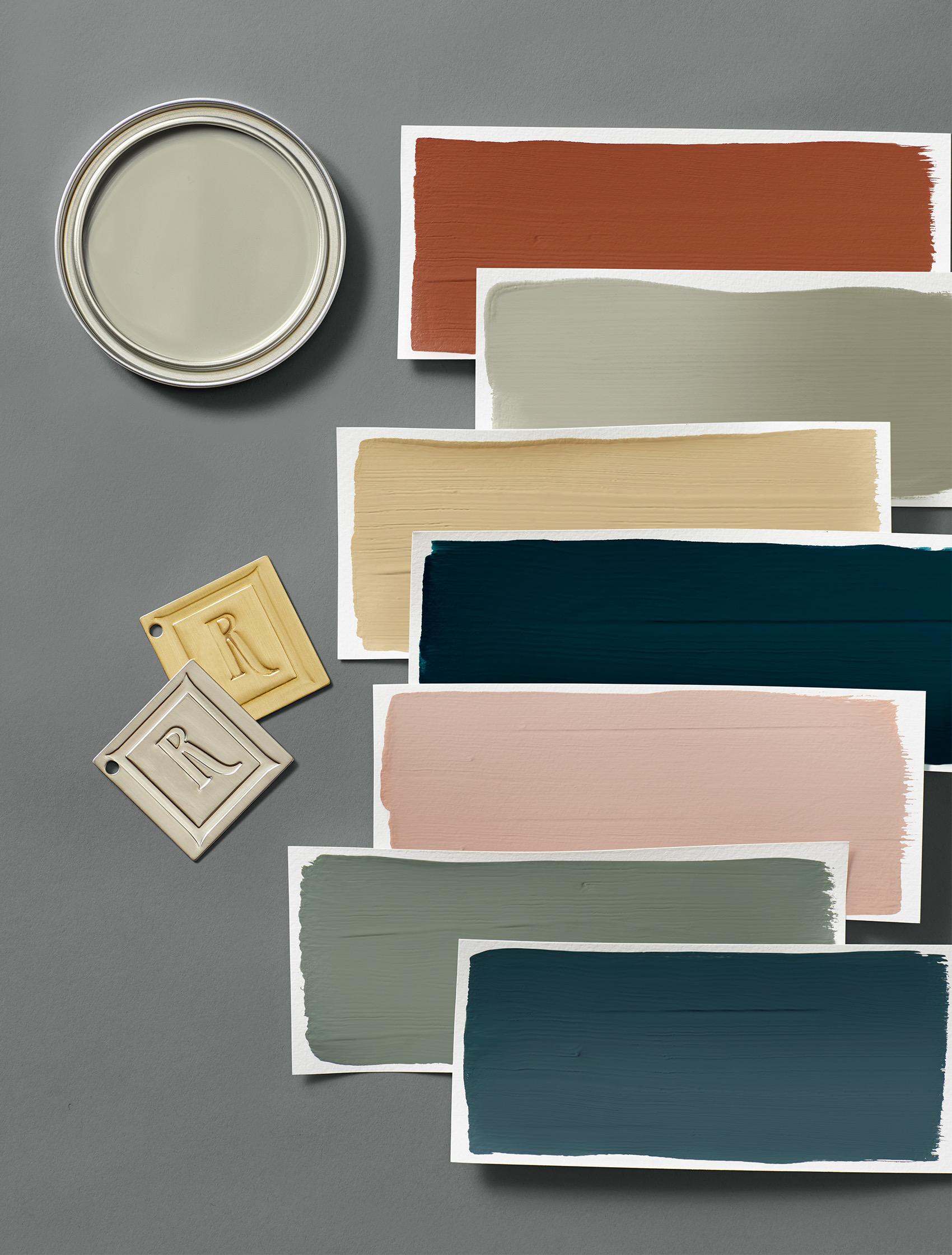
- Color consultation and sample application
- Clean lines, no mess left behind
On a painting estimate, the paint itself is one of the smallest costs. Most of the hours go to work you won't see once the job is done: moving and covering furniture, washing walls, scraping, filling, sanding, priming, caulking and masking. In an older Seattle house, prep usually takes longer than painting. It's also what separates a paint job that still looks good in ten years from one that's peeling after two winters.
So when you compare painting bids, compare the prep. That's where the time goes, and it's what decides how long the paint lasts.
Quick answer: Crest & Level paints interior walls, ceilings, trim, doors and cabinets in Seattle homes, with brush, roller or spray depending on the surface. Prep includes plaster crack repair, bonding primer over old oil-based trim, stain-blocking primer on water marks and treatment of old calcimine ceilings. Finishes are chosen for Seattle's damp winters, using paint and color matching from Pacific Northwest suppliers like Miller Paint.
Questions from the walkthrough
Most of what matters on a paint job comes out in the first walk through the house. These are the questions I get most often while we're doing that, with straight answers.
"Do my walls really need primer?" Not every wall, and not always a full coat. Primer goes where it earns its place: patched areas, so the repairs don't flash through the finish as dull spots, bare wood, stains, glossy surfaces, and big color changes. Self-priming paint covers well, but it won't seal a water stain or bond to old enamel.
"Is my trim oil or latex?" It matters more than anything else on the job. Many Seattle houses built before the 1980s have oil-based enamel on the trim and doors, often buried under later coats. Latex rolled straight over oil looks fine for a few months and then peels off in sheets. I test with a rag and denatured alcohol: latex softens and comes off on the rag, and oil doesn't. If it's oil, it gets scuff-sanded and a bonding primer before any latex goes on.
"Why is my ceiling peeling in big flakes?" In houses from the early 1900s, the answer is often calcimine, a chalky, water-soluble paint widely used on old plaster ceilings. Modern paint can't grip it, so every coat added over the years peels off together. The fix is to wash the calcimine off, or seal it with a penetrating primer made for chalky surfaces, before painting. Painting over it again only adds to the next round of peeling.
"Can you just paint over the cracks in my plaster?" Hairline cracks in plaster come back if they're only filled with spackle, because the wall keeps moving with the seasons. I open the crack slightly, tape it with fiberglass mesh, and fill it with setting-type joint compound, which cures harder than premixed spackle. Where plaster has pulled away from the lath behind it, it gets reattached with plaster washers before anything else happens.
"That ceiling stain has been there for years. Can you cover it?" Yes, once we know the leak is fixed. Water stains bleed straight through latex paint, so they get a shellac-based stain-blocking primer first. If the leak isn't fixed, the stain will come back no matter what's over it.
"What sheen should I use?" My defaults: flat on ceilings, matte or eggshell on walls, and satin or semi-gloss on trim and doors. Bathrooms and kitchens get a scrubbable finish. On wavy old plaster walls, a lower sheen hides the waves, while gloss shows every one of them.
Seattle weather and paint
Paint dries fast but cures slowly. A wall can feel dry in an hour and still be soft underneath for weeks. In a closed-up house in November, cool, damp rooms slow curing even more. I keep the rooms we're painting heated, keep air moving while the paint cures, and follow each product's minimum temperature on the label. For the first few weeks, don't scrub new paint or push furniture against it.
Mildew needs to be removed before painting. In Seattle winters, mildew shows up on bathroom ceilings above the shower, in the corners of exterior walls, and behind furniture pushed against a cold wall. Paint over it and it grows right back through. Those areas get cleaned with a mildewcide solution and dried before primer. A mildew-resistant bath paint helps, but in a bathroom, ventilation is the real fix. See what I check on the Kitchen & Bath page.
Cabinets
Painted cabinets can look factory-finished or homemade, and the difference is mostly method. Doors and drawer fronts come off, hinges and hardware get bagged and labeled, and every surface is degreased, because kitchen cabinets carry years of cooking residue that paint won't stick to. Then everything is scuff-sanded and primed with a bonding primer. For the finish coats, I use a waterborne alkyd or urethane-modified enamel such as Benjamin Moore Advance or Sherwin-Williams Emerald Urethane Trim Enamel. These level out like old oil paint, so brush marks disappear, and they cure much harder than wall paint. Doors are finished lying flat and rehung only once they've cured enough to handle. Plan on gentle use for the first few weeks while the finish reaches full hardness.
Trim and doors get carpentry first
Paint can't fix a split casing, an open miter or a door that rubs the jamb. Those get repaired before any paint goes on, which is easy for me to do in the same visit because I'm a carpenter as well as a painter. More on that work is on the Cabinetry and Finish Carpentry page and the Doors & Windows page.
Choosing color in gray light
Seattle's light is soft, gray and cool for much of the year, and it shifts colors toward blue and green. A warm white that looks perfect in a sunny showroom can look cold in a north-facing Wallingford living room in January. I paint large samples on the actual wall, on more than one wall in the room, and ask you to look at them in the morning, the afternoon and under your own lamps before we choose. Color consultation is part of the job, not an add-on.
Where the paint comes from
Miller Paint is an employee-owned Pacific Northwest paint maker that has served the Puget Sound region since the 1930s. Its Georgetown store on Airport Way South is where I go for color matching and its own product lines. For same-day touch-up supplies and sundries, I use Five Corners Hardware on Queen Anne and Tweedy & Popp in Wallingford. When a client has a favorite brand or an existing color to match, I'll use it.
When it's bigger than us
Whole-house exterior repaints, multi-story work on scaffolding, and full plaster restoration of failing walls and ceilings are specialist jobs. If your project is heading that way, I'll tell you early and point you to painters and plasterers I trust.
What to expect
- First visit: I walk the house with you, look at the specific problem and what's around it, and tell you plainly what I'd do and what I wouldn't.
- Estimate: A written, itemized scope, including what's likely to change once a wall or floor is opened. Why I don't rely on fixed bids.
- Scheduling: I will provide an accurate plan for scheduling and completing the work.
- Cleanup: Dust containment as needed with your house left clean every day.
Painting questions I hear most
How long before I can use my painted kitchen cabinets? Doors can usually be rehung within a few days, once the finish is dry enough to handle. Cabinet enamels take a few weeks to reach full hardness, so treat them gently at first: no scrubbing, and let doors close softly.
Can you paint while we're living in the house? Yes. Most interior painting happens in occupied homes. I work room by room, contain dust from sanding, keep the rooms you're using clear, and leave the house clean at the end of every day.
Can you match an existing paint color? Yes. A paint chip about the size of a quarter, cut from an inconspicuous spot such as behind a switch plate, can be color-matched at a paint store. Sheen is matched separately, because the same color in a different sheen reads as a different color.
Related reading
- Which pre-listing repairs increase home value in Seattle?
- What home maintenance does Seattle's climate call for?
- A season-by-season look at Wallingford bungalows
- Plaster, trim and old framing on Queen Anne
Let's look at it together
Call or text (564) 444-8388 and tell me which rooms you're thinking about, or schedule a visit.